 Marketing
Planning your individual or corporate year just got easier. Nigeria’s 2026 calendar is packed with public holidays, religious celebrations, cultural festivals, and corporate moments— each one a chance to take a break and spend time with loved ones.
If you need help planning your year (or leave days), we’ve compiled this list of public holidays and major events in Nigeria to help you stay ahead.
| Date | Name | Type | Location |
|---|---|---|---|
| Jan 1 | New Year’s Day | Public Holiday | |
| Feb 11-14 | Argungu Fishing Festival | Cultural Observance | Kebbi |
| Feb 14 | Valentine’s Day | Observance | |
| Feb 18 | Ash Wednesday | Christian Observance | |
| Feb 18 (Tentative) | Ramadan Start | Islamic Observance | |
| Mar 8 | International Women’s Day | Observance | |
| March 15 | Mothering Sunday or Mother’s Day | Christian Observance | March is Women’s Month annually |
| Kano, Katsina, Sokoto, Zazzau, Bauchi, Bida, Kazaure, and Ilorin. | Eid-el-Fitr | Public Holiday | |
| Mar 21 (Tentative) | Eid-el-Fitr Holiday | Public Holiday | |
| Mar 20/21 (Tentative) | Durbar Festival | Cultural Observance | Kano, Katsina, Sokoto, Zazzau, Bauchi, Bida, Kazaure, Ilorin. |
| Apr 3 | Good Friday | Public Holiday | |
| Apr 5 | Easter Sunday | Christian Observance | |
| Apr 6 | Easter Monday | Public Holiday | |
| May 1 | Worker’s Day | Public Holiday | |
| May 27 (Tentative) | Eid-el-Kabir | Islamic Observance | |
| May 27 | Children’s Day | Observance | |
| May 28 (Tentative) | Eid-el-Kabir Holiday | Public Holiday | |
| May 28 (Tentative) | Durbar Festival | Cultural Observance | Kano, Katsina, Sokoto, Zazzau, Bauchi, Bida, Kazaure, Ilorin. |
| May 27/28 (Tentative) | Ojude Oba Festival | Cultural Observance | Ijebu-Ode |
| Jun 12 | Democracy Day | Public Holiday | |
| Jun 17 (Tentative) | Al-Hijra | Public Holiday | |
| Jun 21 | Father’s Day | Observance | |
| Jun 26 | Nupe Day Festival | Cultural Observance | Bida, Kwara, Kogi |
| Aug 20 | Isese Day | Local Holiday | Osun |
| Aug 26 | Eid-el-Maulud | Islamic Observance | |
| Oct 1 | Independence Day | Public Holiday | |
| Dec 22 | Sambisa Memorial Day | Local Holiday | Borno |
| Dec 24 | Christmas Eve | Public Holiday | |
| Dec 25 | Christmas Day | Christian Observance | |
| Dec 26 | Boxing Day | Public Holiday | |
| Dec 31 | New Year’s Eve | Observance |
Note: Islamic holiday dates are tentative and subject to moon sighting confirmations by the Nigerian Supreme Council of Islamic Affairs (NSCIA)
What Makes These Days Important?
New Year’s Day – January 1
The first day of the year marks new beginnings across Nigeria. It is always a public holiday as families gather to reflect on the past year and set intentions for the months ahead. Churches & mosques hold Thanksgiving services, while many Nigerians spend the day hosting loved ones.
Argungu Fishing Festival – Feb 11–14
It is a major cultural event held in Kebbi State, Nigeria. It is a four-day festival featuring tons of water competitions such as hand fishing, canoe racing, etc. The festival, which is slated for February 11th–14th, 2026, dates back to before Nigeria’s independence and is a means of fostering peace between Argungu in Kebbi and the neighbouring Sokoto community.
Valentine’s Day – February 14
Valentine’s Day is quite special in Nigeria. It’s one of the few days in the year when people are expected to show love intentionally with gifts and kind gestures. People use it as an opportunity to appreciate loved ones. Offices organise small exchanges, and churches and youth groups often run “love-themed” programs focused on kindness and generosity rather than just romance.
Ash Wednesday – February 18
Ash Wednesday marks the start of Lent, a season of fasting and consecration for most Nigerian Christians. It marks the beginning of 40 days of prayer and fasting before Easter and is often observed with church services and cross-shaped ashes on the forehead in certain denominations.
Ramadan Start – February 18
The start and end dates of Ramadan often depend on the sighting of the crescent moon. It is the ninth month of the Islamic calendar, which is a major fasting period for Muslims all over the world.
In 2026, Ramadan and Lent (Ash Wednesday) will begin on the same day.
International Women’s Day – March 8
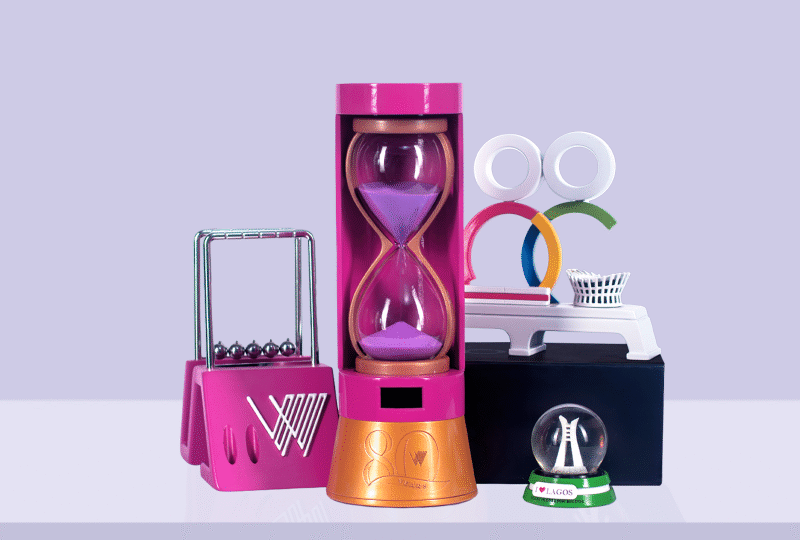
It is a global celebration aimed at honouring the achievements of women in society and creating awareness of gender equality. In Nigeria, International Women’s Day is widely celebrated in corporate spaces, schools, churches, NGOs, and women’s groups with symbolic gifts, such as International Women’s Day figurines, that women can keep long after March 8.

Mother’s Day or Mothering Sunday – March 15
Mothers are celebrated every day in Nigeria; however, Mothering Sunday is emotionally significant, especially within churches. Mothers are usually prayed for and acknowledged during the service. It is a day when mothers are publicly recognised for work that is usually done quietly.
Because the celebration follows closely after International Women’s Day, many people choose lasting keepsakes, such as IWD figurines, that can serve as meaningful gifts across both occasions.
Eid-el-Fitr – March 20
Eid-el-Fitr marks the end of Ramadan and is one of the most joyful celebrations in Muslim communities. After a month of fasting during Ramadan, Muslims go to the mosque in their best clothes for Eid. The day is usually marked with morning prayers, family visits, and elaborate meals.
Durbar Festival
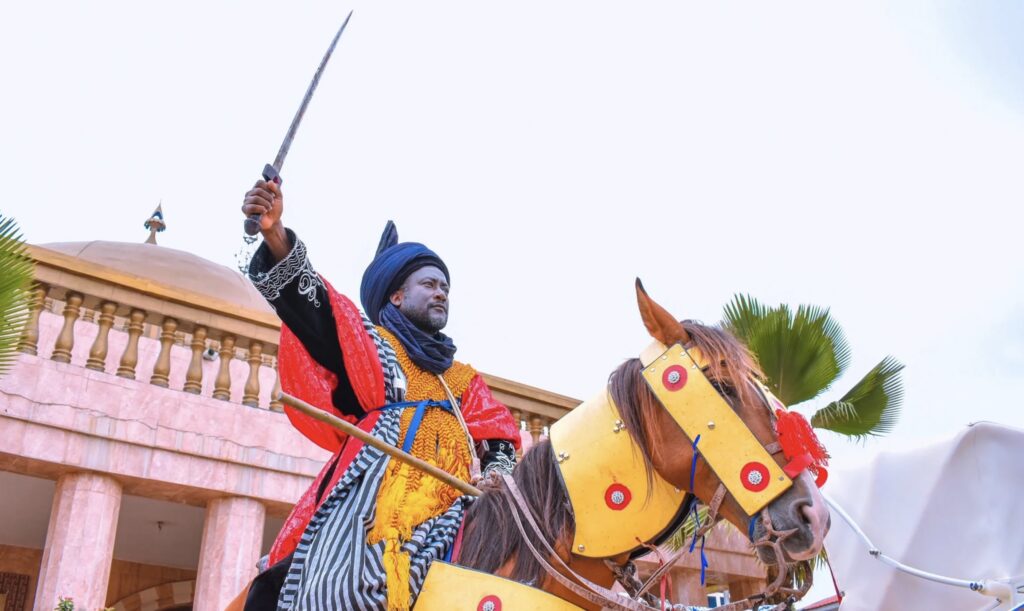
The Durbar Festival takes place in different corners of Northern Nigeria, often in Kano, Katsina, Sokoto, Zazzau, Bauchi, Bida, Kazaure, and Ilorin. It is considered the most important traditional event in Northern Nigeria and is held twice a year to mark the end of Eid-el-Fitr and Eid-el-Kabir.
Good Friday, Easter Sunday & Easter Monday – April 3-6
Easter is a season of solemn celebration to commemorate the death and resurrection of Jesus Christ. Good Friday marks the beginning of the Easter period (the day Jesus died), Easter Sunday marks his resurrection, and in Nigeria, Easter Monday is usually a public holiday in honour of Easter Sunday, which falls on a weekend.
Workers’ Day – May 1
May 1st is dedicated to the Nigerian labour force. It is recognised nationally and commemorated with a pause from work. In corporate settings, it’s an opportunity to recognise staff effort and loyalty.
Read More: 13 Corporate Gift Ideas That Employees Will Actually Keep (Even after they resign)
Eid-el-Kabir – May 27
This is a bigger Muslim celebration often called Ileya in Nigeria. The event is in honour of Prophet Ibrahim’s (Abraham) willingness to sacrifice his only son before God provided a ram; hence, families celebrate with rams (if they can afford it). It is often a glamorous celebration, with Muslims spending time with family and going to the mosques in their best attire. The next day is usually a public holiday.
Children’s Day – May 27
Children are a big deal in Nigeria; it’s no surprise they get a day off school on this day. Parents, guardians, and organisations use the day to reward, encourage, and affirm children. Children spend the day relaxing while their parents’ pockets bear the brunt.
Ojude Oba Festival – May 27 or 28
The Ojude Oba Festival, usually held on the third day after Eid-el-Kabir, is a significant cultural event celebrated in Ijebu-Ode, Nigeria, in honour of the Awujale (the ruler of the Ijebu people).
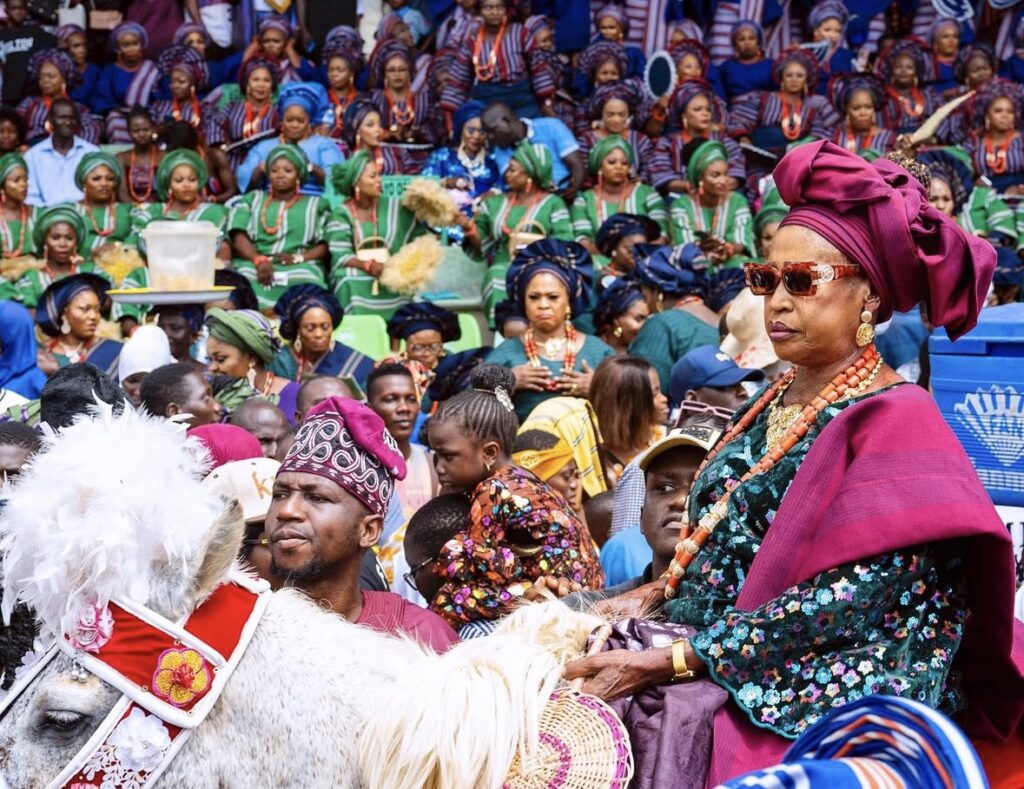
The parade of age-grade groups (Regberegbes) dressed in matching aso-oke, horses adorned in elaborate gear, cultural displays, and the sheer pageantry make this festival every photographer’s dream.
Democracy Day – June 12
Democracy Day (formerly May 29) is a national holiday in Nigeria commemorating the transition from military rule to democratic rule. The day is observed formally, with speeches and government acknowledgement.
Father’s Day – June 21
In Nigeria, every day is for moms, and one day is for dads—Father’s Day is that one day. It is an emotionally significant day where families celebrate their father figures, children gift their fathers, and mothers celebrate their partners. There’s usually a rise in the number of “World’s Best Dad” mugs, cologne sets, and social media tributes.
Nupe Day Festival – June 26
The Nupe Day Festival is set aside to celebrate the Nupe culture in Bida and parts of Kwara & Kogi states. The event features traditional dances, cultural displays, royal ceremonies, and a showcase of Nupe arts and crafts.
Isese Day – August 20
Isese Day, celebrated every August 20 in Osun State, is usually declared as a local public holiday in the state (and other states where it is celebrated). On this day every year, traditional worshippers come together to celebrate their deities.
Eid-el-Maulud – August 26
It is a major Islamic celebration marking the Prophet Muhammad’s (PBUH) birthday. It is often less bubbly than the other Eids, but it is still an important day for Nigerian Muslims; hence, the day is usually declared a public holiday.
Independence Day – October 1
On October 1, 2026, Nigeria turns 66. The day is often a public holiday to commemorate Nigeria’s freedom from colonial rule.
International Men’s Day – November 19
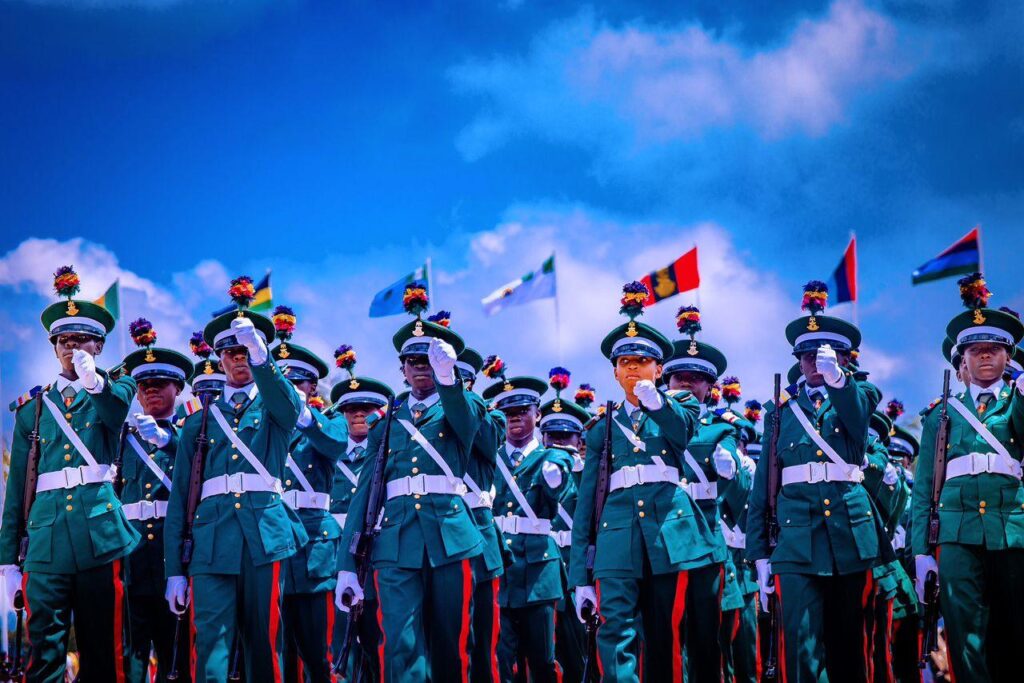
It is a day to recognise positive male role models, celebrate men’s contributions to society, and address issues affecting men’s health and well-being. The day is often dedicated to appreciating the fathers, brothers, husbands, and sons who carry silent burdens and deserve recognition, too.
Sambisa Memorial Day – December 22
Borno State’s Day of Remembrance for victims of the Boko Haram insurgency and those who fought against it. A solemn occasion honouring lives lost and celebrating the resilience of communities affected by conflict.
Christmas Eve, Christmas Day & Boxing Day – December 24–26
Christmas is a major observance for Christians, so these days are fixed public holidays in Nigeria. It is also the most gift-intensive season in Nigeria, and December 26th (Boxing Day) is dedicated to unboxing presents and recovering from the stress of hosting or visiting people on Christmas Day.
Read More: Christmas Without Clutter: 5 December Gifting Ideas That Actually Strengthen Your Brand
New Year’s Eve – December 31st
The year is officially wrapping up, and everyone is in a reflective mood. It is usually a public holiday; Christians spend the night at a crossover service, fireworks light up the sky at midnight, and everyone is making a list of New Year’s resolutions.
Occasional Cultural Events
Some cultural moments don’t follow an annual calendar, but when they happen, they matter.
Eyo Festival (Lagos)
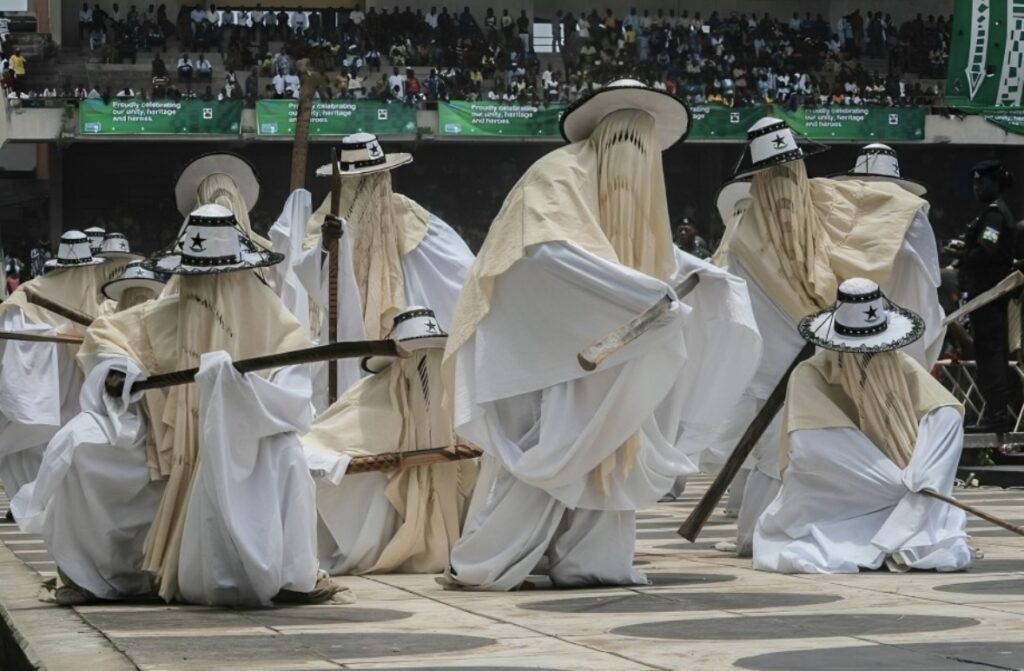
The Eyo Festival is one of Lagos’ most symbolic cultural events, tied closely to the city’s traditional heritage. It is not held every year, and its timing is usually linked to significant moments such as the remembrance of an Oba. The festival was last held on December 27, 2025, and before that, on May 20, 2017—a gap that reflects just how rare and significant the event is.
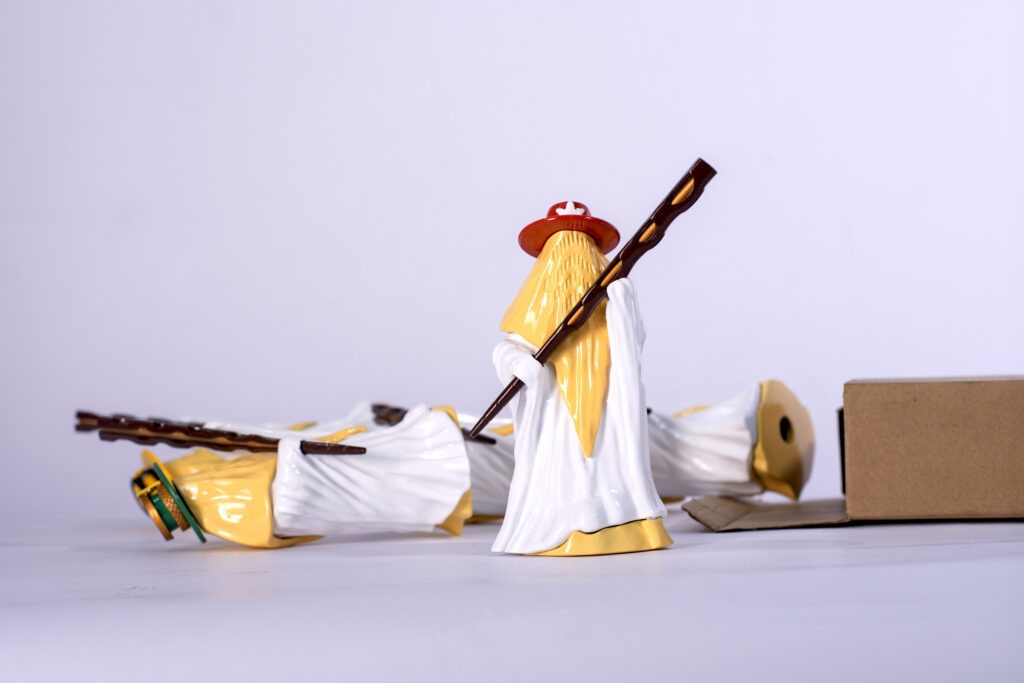
Because the festival happens so infrequently, people often look for ways to hold on to it. This is where Eyo-inspired keepsakes, like Meta4’s Eyo figurines, keyholders, and fridge magnets, come in. The keepsakes serve as symbols of a cultural moment that doesn’t come often, but matters when it does.
Conclusion
There you have it—your complete guide to Nigeria’s 2026 calendar. From religious observances to cultural moments, there’s always something happening.
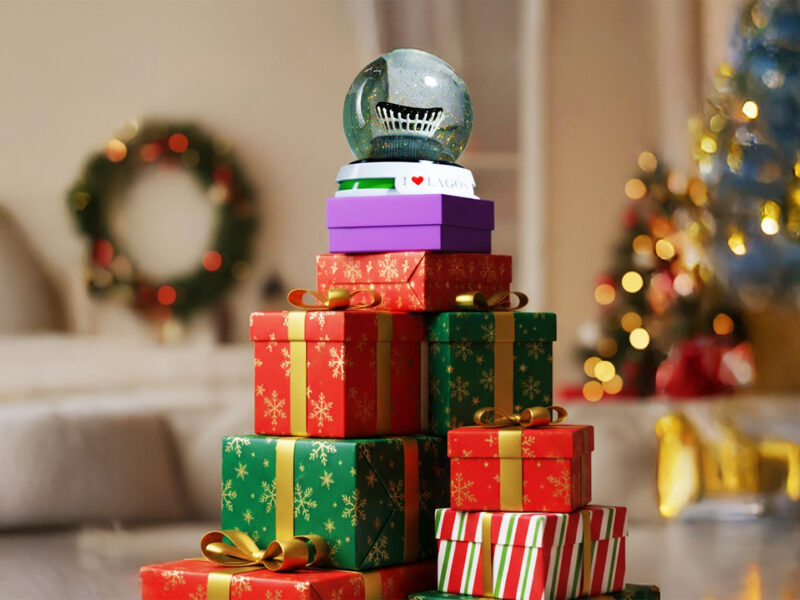
So, save this calendar, set your reminders, and when those dates roll around, we’ve got you covered for custom gift ideas for family, friends, and even colleagues.

 Marketing