 Marketing
Let’s cut the noise: You don’t need another paid ad. You don’t need another “thank you” tote. Not another coffee mug, pen, or another customised shirt.
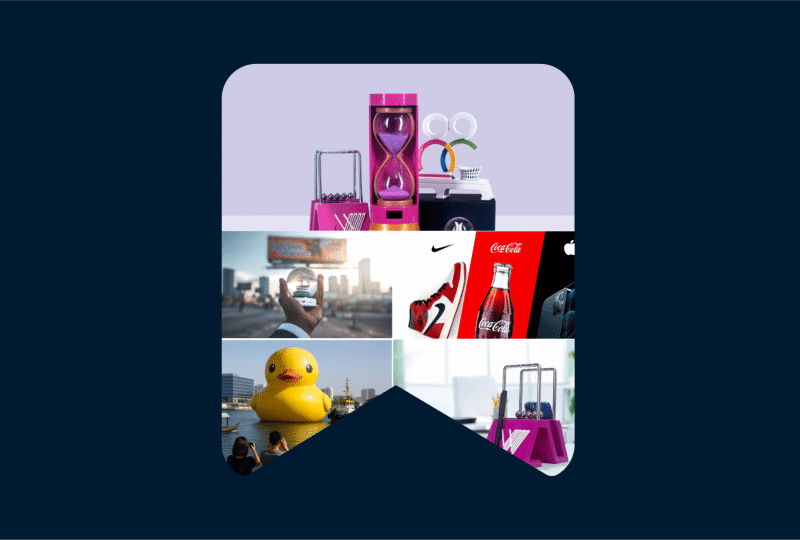
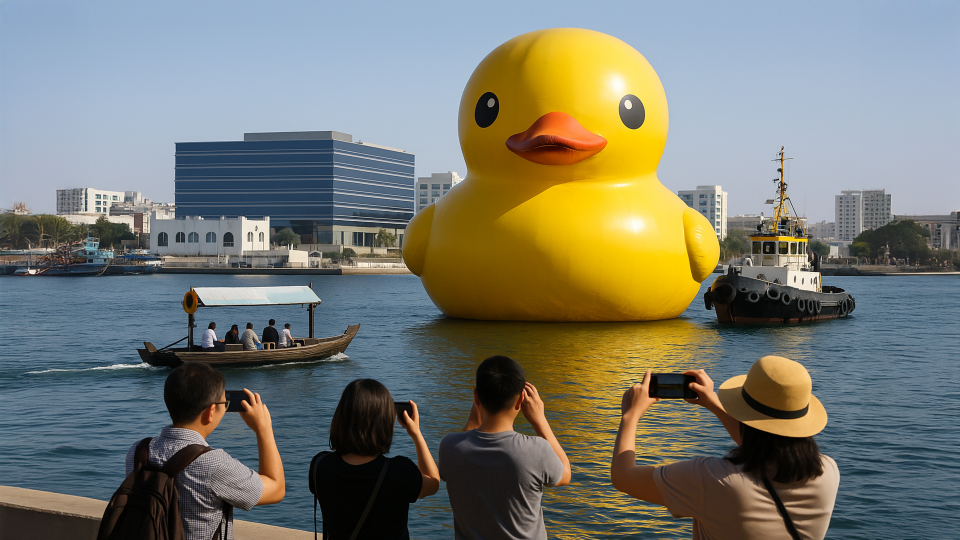
If you want to go viral, stop repeating, disrupt, do what the giant yellow duck did: Show up differently, physically, and memorably.
But What is the Giant Yellow Duck?
Florentijn Hofman’s Giant Rubber Duck took a familiar bathtub toy and blew it up, literally to 60 feet, and just like that, it became a global icon.
How? The yellow duck was a bold publicity move for the Redpath Waterfront Festival, and it worked. It stopped people in their tracks; it triggered curiosity and rode the wings of nostalgia.
Read More: Brands That Outlive Their Founders Have This One Thing in Common
Guess what? This duck went viral. Even more impressive? This unexpected strategy pulled 750,000 people to the festival and made $7 million for the local economy.
Do you want your brand’s next campaign to go viral? There are lessons to learn here, but first, you’re probably wondering what item has the potential to generate conversions like this for your business and if there’s a manufacturing company that can bring it to life.
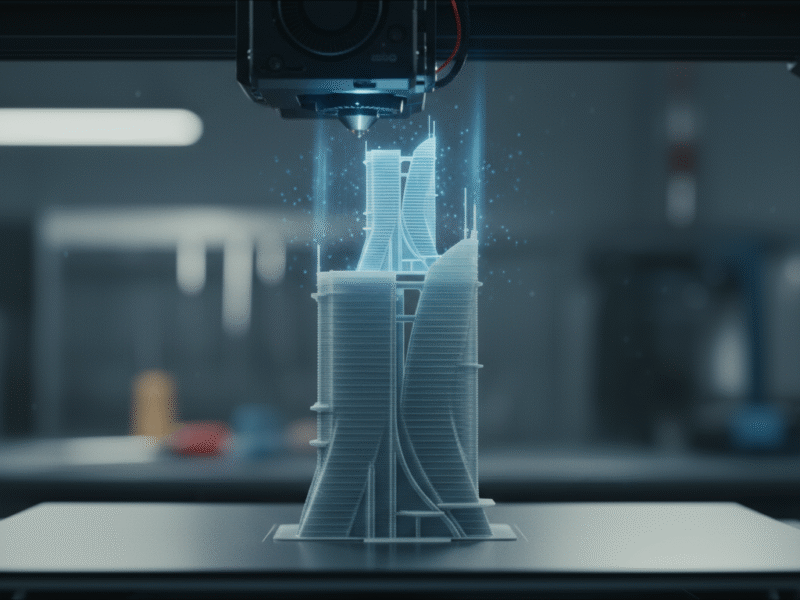
The good thing is, every business has that one element that can be captured in a physical product or experience, and many companies are committed to capturing campaigns through physical items or collectibles for instance, Shapeways, The ODM Group, and Meta4 (based in Lagos, Nigeria).
Marketing Lessons From the Giant Yellow Duck
These lessons may be the first step to driving campaign results and boosting revenue. But first, why did the yellow duck work?
Why the Yellow Duck Worked
On paper, the viral duck strategy seems complex, but in reality, it’s quite straightforward. The yellow duck worked because:
- It’s Universally Familiar: The bathtub duck is instantly recognizable, no explanation needed. Whether you’re 5 or 50, it’s loaded with nostalgia.
- It Incites Emotion: There’s no call to action. No ad copy. Just joy.
- It Grabs Attention: It’s a bath duck, but not a regular-sized bathtub toy. It made people stop to ask questions.
What Brands Who Want to Go Viral Should Learn
If you’re building a campaign, you don’t need 100 campaign ideas. You need one good idea that can be infused into a single object; one that is familiar to your audience, functional enough to live in their space, and tangible enough to retain space in their memory.
Emotion and familiarity are tools every brand can wield, and it does not always have to be at 60 feet.
Here’s what you should do instead:
- Think Identity: What’s one physical item, experience, or major element of your business that perfectly sums up your brand and would garner attention? It doesn’t have to be massive; it just has to be unexpected. Objects work better when they are easily recognizable and can tell your brand story.
- Think Real-life Utility: Where will it live? How will it show up? Can it sit on a desk, start a conversation, get snapped and posted?
- Make it Photographable: Viral concepts such as experiences, taglines, or even physical items don’t just sit in one place. They spark photos, videos, and conversations – even better if they can be held.
- Factor in Emotions: If your audience doesn’t feel something, they won’t remember it.
The duck worked because it didn’t try too hard. One simple object, placed in the real world, sparked attention and conversation.
It didn’t go viral because it was loud, it worked because it was simple, emotional, and impossible to ignore. It said everything without saying a word. Just like we have done for renowned brands like MTN, Huawei, and Wema. We built tangible stories around these brands and captured their stories in physical items that can be touched, each one anchored around a single idea that’s hard to ignore and even harder to forget.
That charger on your desk? That invite that unfolds like a puzzle? That object that makes your event feel like a brand universe? Exactly.
Read More: These 3 Brands Turned Gifting into an Effective Marketing Strategy
Not Just Objects, Tangible Stories
That same principle applies to the kinds of physical items that create lasting brand impact. The most effective pieces aren’t made to impress in the moment—they’re designed to carry meaning, spark curiosity, and stay visible long after the campaign ends.
This thinking shapes every physical piece we help bring to life:
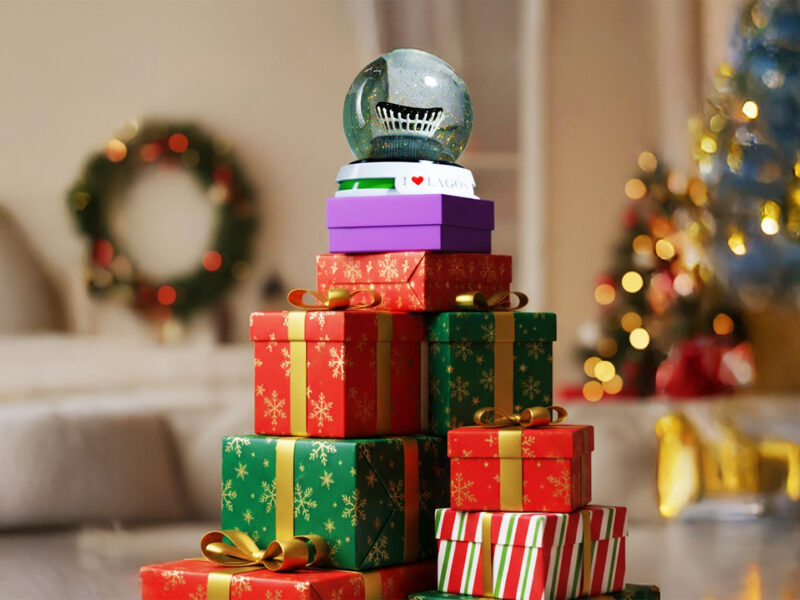
- A souvenir that captures your campaign tone in a single, recognizable object.
- A commemorative piece that isn’t tossed but talked about.
- A packaging experience that holds a product but delivers memory.
However, these aren’t promotional items. They’re designed disruptions: objects built to stir emotion, reflect brand identity, and carry messages long after an ad has been forgotten. Because the goal isn’t to make something for everyone. It’s to make one thing no one forgets.
Read More: You’re Not Just Wasting Money on Merch, You’re Losing Campaign Momentum
Final Thought
In conclusion, some brands build awareness with ads, others with content. If your team wants results, stop thinking in billboards or digital campaigns alone, start thinking about powering your campaigns with memorable brand experiences and physical products.
That’s the kind of thinking that quietly powers some of the most memorable campaigns in the country, from tech to telecoms, banks to beverage giants.
So next time you’re planning a campaign, consider this: What if the idea people remembered wasn’t a headline, but something they could hold in their hands?
Ready to create a piece that sums up your campaign idea and gives you access into people’s spaces, conversations, and memory? Contact us here: enquiries@createyourmeta-iv.com.

 Marketing